Common Chimney Problems Found During Inspections
During chimney inspections, local contractors identify common chimney problems like creosote buildup, cracks, or blockages to ensure safe and efficient fireplace operation.
Homeowners and property owners in the area often find that regular chimney inspections are essential for maintaining safe and efficient heating. During these inspections, professionals can identify common chimney problems that might not be immediately visible but could lead to costly repairs or safety concerns if left unaddressed. Recognizing issues such as creosote buildup, cracked masonry, or obstructions early can help prevent fire hazards and ensure the chimney functions properly throughout the year.
Understanding the typical problems found during inspections highlights the importance of working with experienced local service providers who specialize in chimney care. These professionals are equipped to evaluate your chimney’s condition thoroughly, recommend necessary repairs, and help you maintain a safe, reliable fireplace or heating system. Keeping up with regular inspections can save property owners time and money, making it a practical step for those looking to protect their investment and enjoy peace of mind during colder months.
- Chimney Blockages - homeowners may need this service when inspections reveal obstructions like bird nests or debris that hinder proper airflow.
- Cracked Flue Liners - if cracks are found during inspections, local contractors can assess the damage and recommend necessary repairs to prevent leaks.
- Soot and Creosote Buildup - inspections often uncover excessive buildup that increases fire risk, prompting cleaning by experienced service providers.
- Damaged Chimney Crown - when inspections detect deterioration or cracks in the crown, local pros can perform repairs to protect the structure from water damage.
- Loose or Missing Masonry - inspections may identify unstable bricks or mortar, with local contractors able to reinforce or replace damaged areas for safety.
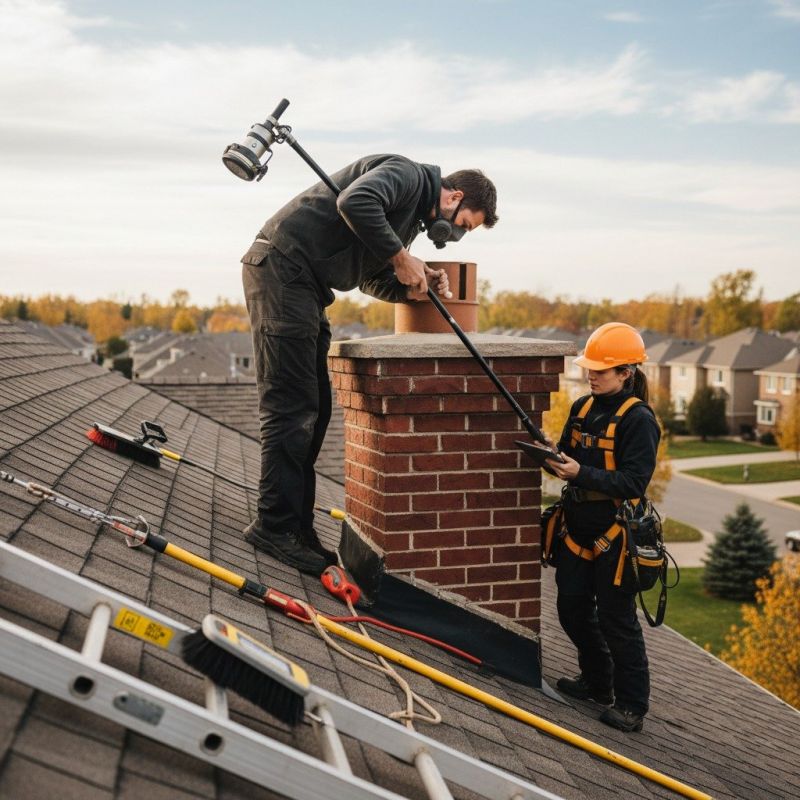
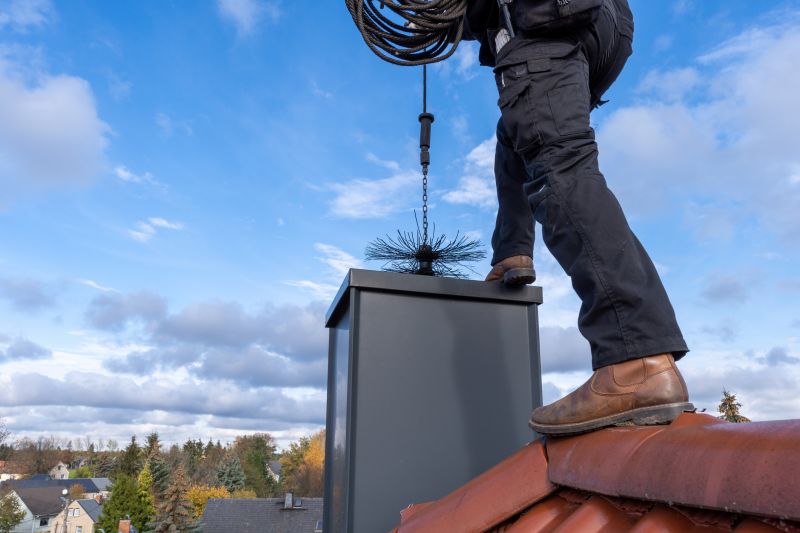
Common chimney problems found during inspections can vary widely, but some issues tend to recur across different types of properties. Homeowners often search for this topic to understand what potential concerns might be uncovered during a routine or specialized chimney check. These problems can include structural damage, such as cracked or crumbling masonry, which compromises the chimney’s integrity and safety. Additionally, blockages caused by debris, nests, or creosote buildup are common issues that can affect the proper venting of smoke and gases. Recognizing these problems early through inspection helps prevent more serious damage or dangerous conditions, making it a vital part of maintaining a safe and efficient fireplace or stove system.
The scope of common chimney problems found during inspections often relates to the age and design of the property, as well as the type of heating appliance in use. For example, older homes with traditional brick chimneys may experience mortar deterioration or brick spalling, while newer constructions might face issues with improper flashing or venting components. Problems related to creosote buildup are typical in homes that burn wood or other solid fuels regularly, increasing the risk of chimney fires if not addressed. These issues are not limited to residential properties; they can also appear in multi-unit buildings, historic homes, and even some commercial structures that rely on chimney systems for venting. Local contractors who specialize in chimney inspections can assess these problems and recommend the appropriate repairs or maintenance.
Property types that most frequently come up during inspections include single-family homes, townhouses, and small apartment complexes. These structures often have chimneys that are exposed to the elements, which can lead to weather-related damage like cracked crowns or rusted dampers. Homes with fireplaces, wood stoves, or pellet stoves are more prone to creosote buildup and venting issues, making regular inspections especially important. Historic properties with original chimney structures may also face unique challenges related to aging materials and outdated construction methods. Local service providers experienced in inspecting various property types can identify common problems specific to each, helping homeowners plan necessary repairs or upgrades to ensure safe and efficient operation.
Understanding common chimney problems found during inspections allows homeowners to better recognize the importance of professional assessments. When issues like cracked masonry, blockages, or creosote buildup are identified early, it provides an opportunity to address them before they develop into costly repairs or safety hazards. Connecting with local contractors who specialize in chimney inspections ensures that these problems are properly diagnosed and handled by experienced professionals. These experts can provide detailed assessments tailored to the specific property, whether it’s a historic home or a modern residence, helping owners maintain a safe and functional chimney system over time.
Chimney Repair Projects - These projects involve fixing structural issues identified during inspections, requiring similar assessment skills and tools used to detect common chimney problems.
Flue Liner Installation - Proper installation of flue liners helps prevent issues like corrosion and blockages, aligning with inspection services that identify these common chimney problems.
Chimney Waterproofing - Waterproofing projects address moisture intrusion concerns often uncovered during inspections, utilizing planning and application techniques similar to diagnosing chimney issues.
Masonry Restoration - Restoring damaged brickwork or mortar joints involves skills comparable to inspecting and identifying deterioration in chimney structures.
Chimney Cap & Crown Replacement - Installing or replacing caps and crowns helps prevent common problems such as water damage and debris intrusion, which are often found during inspections.
Ventilation System Upgrades - Enhancing chimney ventilation systems ensures proper airflow, a task related to inspecting and correcting airflow-related issues during chimney assessments.
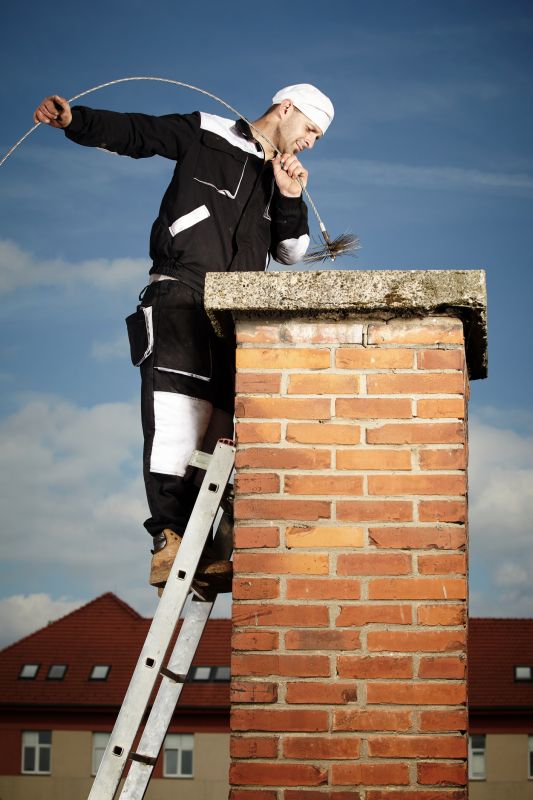
When evaluating local contractors for chimney inspection services, it’s important to consider their experience with similar projects, especially those that involve identifying common chimney problems found during inspections. An experienced service provider will have a thorough understanding of typical issues such as creosote buildup, cracked flue liners, or damaged mortar joints. This familiarity can help ensure that the inspection is comprehensive and that potential problems are accurately identified, reducing the risk of overlooking issues that could impact safety or performance.
Clear written expectations are essential when comparing local pros for chimney inspections. A reputable contractor should provide detailed descriptions of what the inspection will cover, including the specific areas they will examine and the types of common problems they will look for. This transparency helps homeowners understand what to expect and provides a basis for comparing the thoroughness and scope of different service providers. Clear expectations also help prevent misunderstandings and ensure that the inspection process aligns with the homeowner’s concerns and needs.
Reputable references and good communication are key factors in selecting a reliable chimney inspection service. Service providers with positive references or reviews often demonstrate a track record of quality work and customer satisfaction. Additionally, a contractor who communicates clearly and promptly can answer questions, explain findings, and discuss recommended repairs or maintenance in understandable terms. These qualities contribute to a smoother inspection process and help homeowners make informed decisions about addressing common chimney problems found during inspections.
Property owners often search for common chimney problems found during inspections when they are planning practical projects around their homes and businesses. Local pros provide Chimney Inspection services for everyday jobs and straightforward project options.

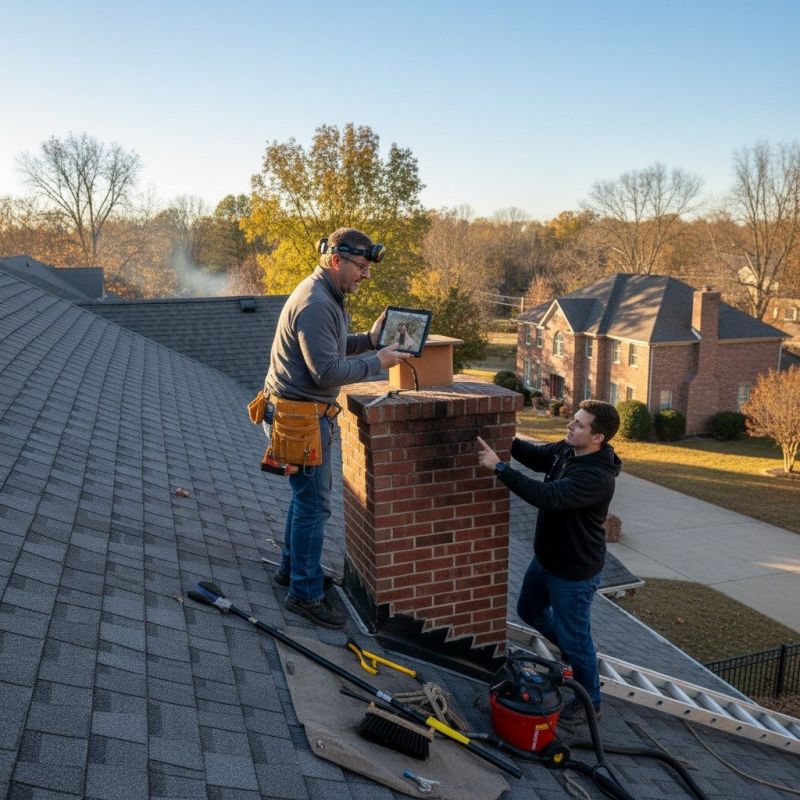
Homeowners often discover common chimney problems during routine inspections, especially if their property is older or has experienced severe weather. Issues like cracked or missing mortar joints, creosote buildup, and damaged chimney caps are frequent findings that can impact the safety and efficiency of a fireplace or stove. Recognizing these problems early can help prevent more costly repairs down the line, making professional chimney inspections an important step for property owners looking to maintain their homes.
Local contractors who specialize in chimney services are equipped to identify and address these common issues. Whether it’s repairing cracked masonry, cleaning out stubborn creosote deposits, or replacing worn chimney caps, experienced service providers can help ensure the chimney functions properly and safely. Property owners interested in keeping their chimneys in good condition often consider scheduling inspections to catch these typical problems before they develop into more serious concerns.
What are common chimney problems discovered during inspections? During inspections, issues such as cracked or damaged chimney crowns, deteriorated mortar joints, and creosote buildup are frequently identified as common chimney problems.
How can damaged chimney flashing affect the system? Damaged or improperly installed chimney flashing can lead to leaks and water damage, which are often found during routine inspections by local contractors.
What signs indicate a chimney has structural issues? Inspections may reveal signs like leaning or bulging chimney walls, cracked bricks, or loose mortar, indicating potential structural problems that need attention.
Why is creosote buildup a concern during chimney inspections? Creosote buildup is a common issue that can increase the risk of chimney fires and is typically addressed during inspections by local service providers.
How do inspections identify venting problems in chimneys? Inspections can reveal improper venting, blockages, or corrosion that hinder proper airflow, which local contractors can diagnose and recommend solutions for.
Creosote buildup - Regular chimney inspections can identify creosote deposits that may increase fire risk, helping property owners plan for professional cleaning services.
Cracked or damaged mortar - Detecting mortar deterioration during inspections allows property owners to arrange for repairs to maintain chimney stability and prevent leaks.
Blockages and obstructions - Inspections can reveal debris or animal nests inside the chimney that local contractors can remove to ensure safe operation.
Structural issues - Identifying leaning or cracked chimney structures during inspections enables property owners to seek timely repairs from experienced service providers.
If you are thinking about common chimney problems found during inspections for a property, this guide is meant to help you understand this topic, the typical project types, and how different options might fit your plans.
When you are ready, you can use the quote form on this page to share a few details about your project. From there, local pros can review the basics and follow up with options that match what you have in mind.